
Gender equality will be a victim of UN cost cutting
The plan to merge the UN entity responsible for promoting gender equality with another agency shows that women's rights are not a diplomatic priority


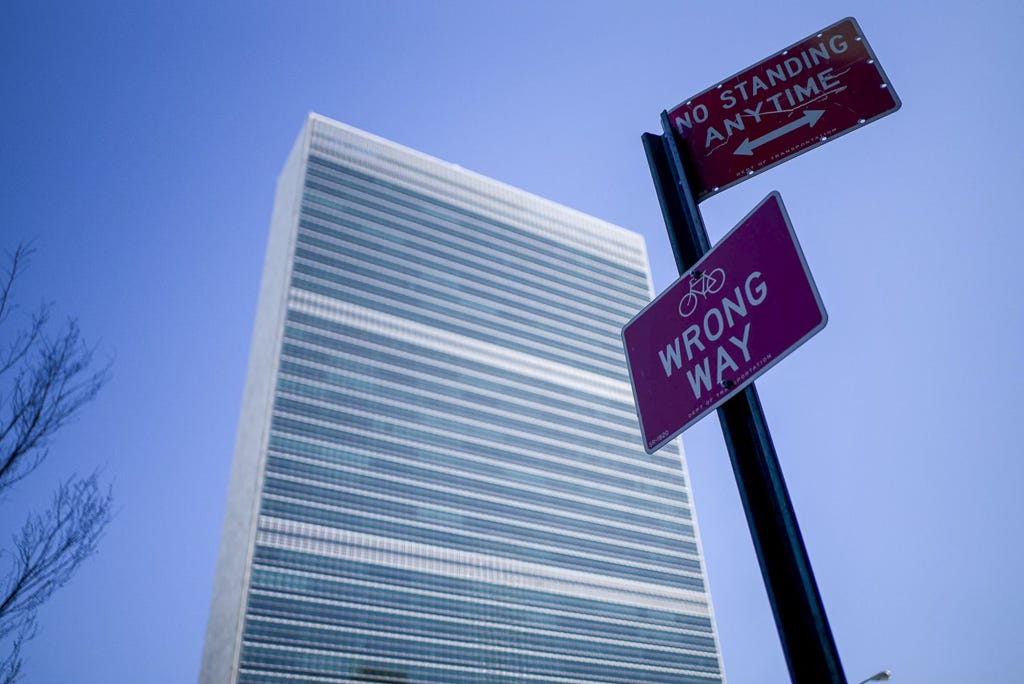
As the United Nations prepares to mark its 80th birthday, it has published extensive proposals to deal with the deep funding crisis in which it currently finds itself. Facing massive budget cuts and with the threats of more to come, the UN80 scheme has the potential to completely redraw the global machinery of practical diplomacy.
One of the key proposals is the merger of UN Women - the agency focused on gender equality - with UNFPA, the global body concerned with sexual and reproductive health.
Given the significance of sexual and reproductive health and rights to global women's movements - UNFPA works on many issues that are central to women's activism, such as ending harmful practices like child marriage and female genital mutilation, and increasing access to healthcare - a merger between these two bodies has long been discussed.
However, any attempt to water down the role of UN Women would be a reform opposed by many activists across the world.
Compared to UNFPA, which dates back to 1969, UN Women is a relatively new part of the multilateral system. It was created 20 years ago, bringing together various parts of the UN concerned with the promotion of women's rights into one executive organization. What makes the merger proposals personal to many activists was that the creation of UN Women was the culmination of many years of advocacy from women.
Our demand was that the UN finally put its money where its mouth is on gender equality. The establishment of a dedicated agency for women was one of the most important successes for global women's activism in the years after the Beijing conference.
In the subsequent years, the work of UN Women as an agency has not always matched the ambitions we had for it. Its ways of working have at times been frustrating, in a number countries being too timid and close to governments unsupportive of women's rights. As the war in Gaza has exacted a horrifying toll on women and girls, UN Women became a lighting rod for the failure of the UN system to prevent the suffering.
With those criticism in mind, we should not that when UN Women has been able to compliment the work of activists - able to work at the international level with governments on global agendas - the organization has made important inroads. Its work on the Women, Peace and Security & Humanitarian Action Compact, for example, has focused attention on implementation in a way that activists on their own could not have done. It is perhaps by being a center point for these global agendas that the agency has been most effective - albeit with some significant missteps, such as an ill-advised agreement with the Libyan government that threatened the WPS agenda there.
Throughout its time, UN Women has been a critical demonstration of what can be achieved by organised, global feminist movements. We have always been more critical of the agency because we have fought so hard for its creation. We know what we wanted and we can see where it has fallen short - but we can also remember a time when the UN's efforts for women and girls were dispersed and diluted.
This is why we are so concerned now with any attempt to water down the focus of UN Women - and make no mistake, this is what a merger would do. It would be inevitable that a merged agency would disrupt the work on both equality and health, in the short and long term.
The UN's proposals - which include other potential agency mergers and changes - come at an especially difficult time for the multilateral system, and run deeper than cold economics. The UN80 plans include human rights and peace and security as two of its three pillars. Yet as we speak one permanent member of the UN Security Council is prosecuting an invasion of a neighbouring member state, while another is providing material and diplomatic support to what the UN's own independent experts have defined as genocide.
In what sense is the UN as it stands protecting global peace and security and human rights?
Many activists have lost confidence entirely in the UN system - and I can hardly blame them. But we do not have an alternative to the multilateral system around the corner. The populists and reactionaries who have set themselves against the UN do so because they wish for an ever more cutthroat world, where accountability is even more distant than it is now. In this environment, where there are seemingly no red lines and even capital cities can be bombed with impunity, it is even more important that member states with influence buttress the international system. Countries with the financial means and the diplomatic interest of ensuring a rules-based order - the Gulf, Scandinavian and Latin American states, for example - should be stepping up where others have been deserting their responsibilities.
As they stand, the UN80 proposals may offer a means to navigate the immediate financial crisis that the organization undoubtedly faces. But the political crisis and crisis of confidence in which it also finds itself are every bit as corrosive and threatening to the mission of global diplomacy.
Certainly we should surmise that gender equality would not be a priority for a UN that emerges from these proposals. This would not take the cause of women's rights back just 20 years, but far more, and it should be resisted.
The killing of Aftahan Al-Mashhari is an attack on all Yemenis
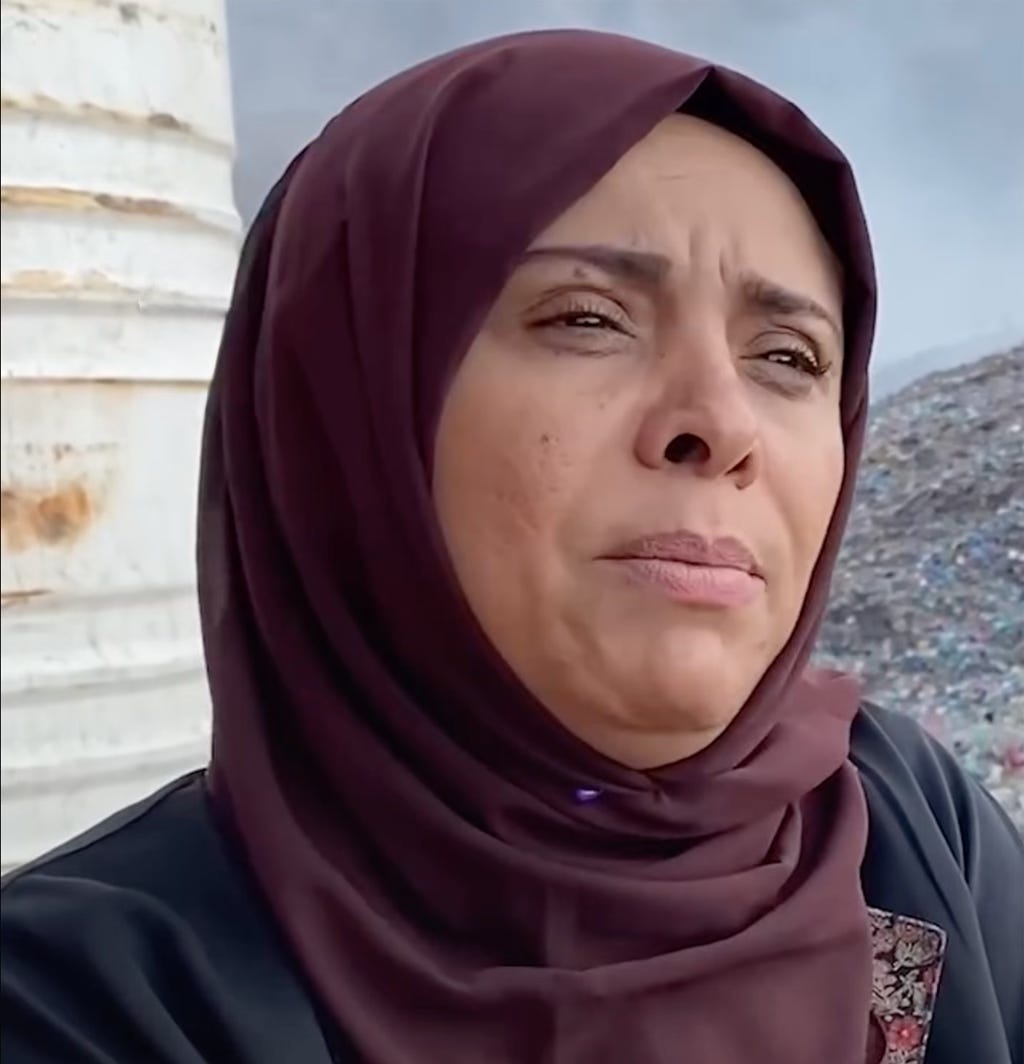
We were appalled by the brutal murder yesterday of Aftahan Al-Mashhari, the head of Hygiene and Improvement Fund in Taiz, Yemen and a prominent voice against corruption. Her killing demonstrates the shocking violence faced by women in public life - not only in Yemen but across the world. This is the context in which the UN could be deprioritizing gender equality, when more efforts to protect and promote women’s participation are needed.
We reproduce our statement on the murder of Aftahan Al-Mashhari below.
The Karama network condemns the assassination of Aftahan Al-Mashhari in Taiz, Yemen.
Aftahan Al-Mashhari served as head of the Hygiene and Improvement Fund in Taiz governorate, and was notable for her efforts in fighting corruption. Her murder on a busy road in broad daylight is a grave attack on all Yemenis, and the peace, justice and security they deserve.
We call on local authorities to ensure justice is served in this case, and that far greater effort is made to protect all women and girls across Yemen. Our partners have shown how women and girls in Yemen continue to suffer discrimination under the law, face violations of their basic rights, and their rights in international law, and international humanitarian law. We are far beyond requiring a wake-up call for the safety and security of women and girls in Yemen. But the murder of Aftahan Al-Mashhari must be taken as an impetus for action to address the inequality, indignities, and insecurity faced by women and girls in Yemen.
The world must recognise the agency and power of women and girls in Yemen. They refuse to be passive victims. For many months, women in Yemen have taken to the streets in a vast and non-partisan protest movement demanding basic needs of citizens to be addressed, calling for better governance and accountability.
In this context the heinous act of violence against Aftahan Al-Mashhari again demonstrates the extraordinary risks that women in Yemen and the wider world take simply by engaging in public service. It should not be the case that running for office, taking a position of community responsibility, or simply demanding one's rights should make women a target for violence. But across the world women like Aftahan Al-Mashhari have paid the ultimate price for the failure of our societies to root out discrimination and violence against women and girls.
It is a reminder of far too many other women victims of political violence, a great proportion of whom have never found justice.
We mourn Aftahan Al-Mashhari, we give thanks for all she contributed to her community and her stance against corruption. We demand action from all parties in Yemen to achieve justice for Aftahan Al-Mashhari and for women and girls in Yemen.
 | A guest post by
|